Kingsley Community School
SEND
SENDCo- Mr Harrison. Please contact via the school office.
EYFS SEND Advocate- Ms R Iggulsden
Intent
At Kingsley Primary School, through our ethos of "Learning Together, Respecting Each Other", is at the heart of everything we do and play a vital part in our pupils’ education, spiritual, moral, social and cultural development. Our ambition is that we will Inspire, Nurture, Challenge and enrich all children through a broad and engaging curriculum. At Kingsley Primary School our vision is that every child deserves to shine not just on their individual learning journey but also in the wider community. At Kingsley Primary School we are an inclusive school, supporting our children to develop the throughout their time: Confidence, Curiosity, Creativity, Collaboration, Communication and Commitment so they leave school ready to face their future with confidence. At Kingsley Primary we have due regard for the Special Educational Needs and Disability Code of Practice when carrying out our duties towards all pupils with SEND. We recognise that children with Special Educational Needs are an integral and valued part of our school and wider community through our inclusive curriculum at Kingsley. We believe that every child matters and our inclusive philosophy stresses the right of all children to be fully involved in all aspects of school life. Our curriculum ensures that every child has the opportunity to shine and have their achievements. It is our intent that we work closely with parents, outside agencies and health and education professionals in the process of identifying and meeting the individual special needs of our children. Kingsley empower all children to make positive choices and develop themselves as unique, significant and precious individuals regardless of any barriers to learning they may face.
SEND Implementation
At Kingsley Primary School we pride ourselves on being inclusive and strive to ensure that all pupils with Special Educational Needs make the best possible progress in school. Our intent drives the rationale for our approach in providing the support and provision for our SEND children. Our School Information Report along with the Liverpool Local Offer outline the procedures for implementing SEND Support or EHCP provision in our school. The Local Offer provides parents/carers with information about how to access services in their area and the support that is available for children with Special Educational Needs in their child’s school. The Liverpool Local Offer can be found here https://liverpool.gov.uk/children-and-families/special-educational-needs-and-disabilities/send-local-offer/.
All of our children access our full curriculum offer. Differentiation, reasonable adjustments to our learning environment, group and individual interventions and support are all part of our curriculum implementation for our children with SEND. We work closely with health and education services to offer individualised learning and therapeutic opportunities. Children who require additional support or have EHC Plans have Individual Pupil Profiles updated termly which set individual targets, consider pupil and parent / carer voices, outline outside agency involvement and record interventions and successful strategies for teaching and learning. These are working documents which track SEND provision and implementation. Kingsley has access to SENISS support from the local authority and also commission an Education Psychologist, play therapist and councillor to support our school family in identifying and meeting the needs of our SEND children. Teachers are supported by the SENDCo, SLT and subject leaders to deliver a curriculum accessible to all.
SEND Impact
As a result of a progressive, well-sequenced and purposeful curriculum offer, the children of Kingsley Primary, including those with SEND, require the knowledge, skills and concepts needed to be successful in future learning and employment. All children, particularly the most disadvantaged and those with special educational needs/disabilities gain the knowledge and cultural capital they need to succeed in life. Due to high levels of teacher subject knowledge, quality first teaching ensures children with SEND make excellent progress. Children remember in the long term the content they have been taught and can integrate new knowledge into larger concepts. The effectiveness of the Quality of Education and the fulfilment of our SEND Intent is assessed throughout all stages of learning in a systematic and strategic approach.
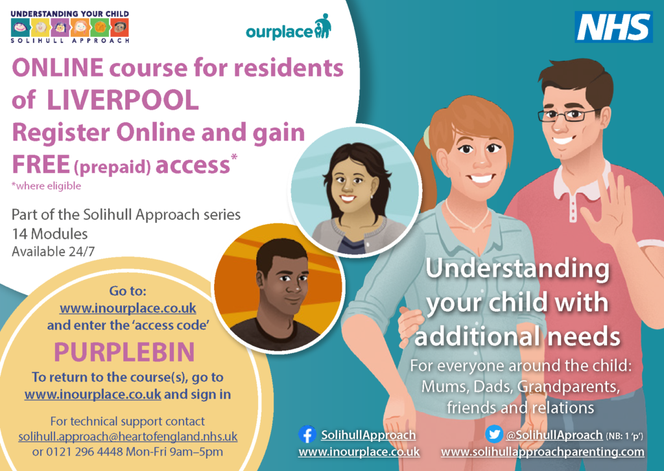
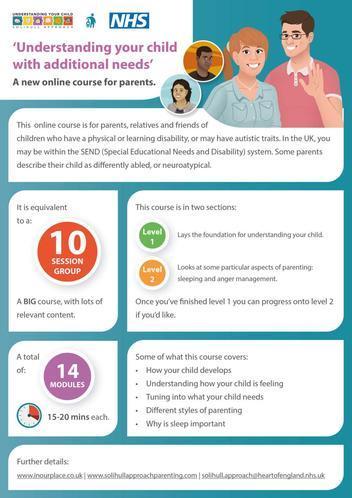
Key Documents
Interventions
At Kingsley Community School we strive to support all children to enable them to achieve at school. In order to do this many steps are taken to support them through their learning journey. The following interventions can be delivered across the school:
- Sensory circuits
- Fine motor skills
- Gross motor skills
- Time to Talk
- Talking partners
- Nessy reading and writing
- Toe by Toe
- Monster Phonics
- Newly arrived
- Phonological awareness
- Blacksheep press
- Group Talk
- Lifeboat
- Talk Boost
- Clever fingers
- Life skill sessions
- Smart moves
- Memory Fix
- Thrive
- Turn taking group
- Emotional literacy
Nurture
Nurture is a room within school which provides a short term intervention were a group of children come together every afternoon with two members of staff. The room provides children with a safe, nurturing and supportive environment which aims to remove barriers to learning.
Yellow Room and Sensory Space
Kingsley’s yellow room and sensory space is a room that children can access at different times of the school day to help them achieve their targets and make progress. The room has been created to support children who are not currently working at their chronological age and are working at a developmental stage instead or need senosry breaks as part of their school day.
Social Stories
Social stories are a short description that help children to understand a particular situation, event or activity, which include specific information about what to expect in that situation and why.
Websites, Activities Apps
Here is a list of website and app links that you can access to support childrens learning at home.
Puffin Activity Packs
http://www.priorywoods.middlesbrough.sch.uk/coronavirus/useful-links a range of creative downloadable activities for 0-5 Year Olds, 6-8 Year Olds and 9-12 Year Olds. Just pick your age, print out, and get started.
Virtual trips
https://www.weareteachers.com/best-virtual-field-trips/ – Virtual educational trips to watch with your child. Including a zoo, farm and aquarium.
Stories
https://www.storylineonline.net/ – listen to stories being read online.
Active Learning
https://imoves.com/imovement -signup – free maths, english and science activities. A great way for children to learn whilst being active.
Scavenger Hunt
https://www.weareteachers.com/scavenger-hunts/ – different ways to help children explore and learn at home.
Click here for Home Learning Activities
Supporting Maths and English
Help Kidz Learn
https://www.helpkidzlearn.com – a collection of games and resources designed for a range of educational needs for children of all ages.
Top Marks
https://www.topmarks.co.uk/maths-games/5-7-years/counting – interactive games to support counting.
https://www.topmarks.co.uk/english-games/5-7-years/letters-and-sounds – interactive games to support phonics, spelling and letter formation.
Do2Learn (USA)
https://do2learn.com/ – a selection of downloadable picture cards, songs and games to support writing, reading and maths.
Phonics Play
https://new.phonicsplay.co.uk/ – activities and videos to support the teaching of phonics phase 1-6.
CBeebies
https://www.bbc.co.uk/cbeebies/shows/numberblocks – numberblock videos to support children counting.
CBeebies
https://www.bbc.co.uk/cbeebies/shows/alphablocks – alphablock videos and games to support the learning of the alphabet.
ICT Games
https://www.ictgames.com/- Maths, writing and reading games, videos and apps to support childrens learning.
Spelling Frame
https://spellingframe.co.uk/ – games and word lists linked to spelling rules that children need to know by the end of the school year.
Literacy Planet
https://www.literacyplanet.com/uk/for-home-use/ – Free home English activities for parents to join.
Learning 4 Kids
https://www.learning4kids.net/category/alphabet/ – activities and free printable sheet to support childrens letter formation and writing.
Parent Book Talk
https://www.abss.k12.nc.us/cms/lib/NC01001905/Centricity/Domain/36/Parent%20Book%20Talk%20flyer.pdf – questions to ask your child before, during and after reading.
Monster Phonics
https://monsterphonics.com/home-learning-in-the-covid-19-lockdown/ – everyday lessons, phonic worksheets, letter sheets, word searches and story videos to support phonic phases 1-6.
Teach Handwriting
https://www.teachhandwriting.co.uk/foundation-stage-handwriting.html – activities to help teach handwriting in Early years.
https://www.teachhandwriting.co.uk/key-stage-1-handwriting.html – activities to help teach handwriting in Key Stage 1.
https://www.teachhandwriting.co.uk/key-stage-2-handwriting.html – activities to help teach handwriting in Key Stage 2.
SparkleBox
https://www.sparklebox.co.uk/literacy/writing/letter-formation/worksheets.html – printable worksheets for letter formation.
Creative Family Fun
https://creativefamilyfun.net/lego-addition/ – maths activities using lego
We are Teachers
https://www.weareteachers.com/addition-activities/ – awesome addition activities
Click here for maths and english activities and ideas to support your child development
Supporting Speech, Communication and Language
Brain Parade
http://www.brainparade.com/products/see-touch-learn-free/ – a visual instruction app, including flash cards and picture-choosing games, for children with autism and special needs.
Speech Links
https://speechandlanguage.info/blog?page=1 – Resources, activities and games which are changed weekly to support speech and language at home.
Speech Links
https://speechandlanguage.info/parents/activities – A great selection of games you can do everyday with your child at home to support speech and language development.
Speech and Language Kids
https://www.speechandlanguagekids.com/speech-sound-resource-page/ – ways to help teach your child letter sounds and activities to help.
Speech and Language Kids
https://www.speechandlanguagekids.com/vocabulary-resource-page/ – a list of activities to help develop and improve childrens vocabulary.
Childhood 101
https://childhood101.com/learning-games-for-speaking-listening-thinking/ – 12 verbal literacy games for speaking, listening and thinking.
Topmarks
https://www.topmarks.co.uk/Search.aspx?q=speaking%20and%20listening – speaking and listening games for all ages.
Chatter Pack
https://chatterpack.net/blogs/blog/list-of-free-speech-language-communication-and-send-resources-for-schools-and-parent-carers – wide range of activities and games to support speech and language development.
Family Education
https://www.familyeducation.com/family-life/50-questions-to-ask-your-kids-to-get-them-talking- questions to ask children to get them talking.
Supporting sensory needs and Motor skills
Gross motor skills http://www.priorywoods.middlesbrough.sch.uk/attachments/download.asp?file=1566&type=pdf – a range of activities you can do at home to support childrens gross motor skills.
Fine motor skills
https://handsonaswegrow.com/fine-motor-skills-activities/ – a range of activities you can do at home to support childrens fine motor skills.
Handwriting
https://www.teachhandwriting.co.uk/more-activities-help-develop-handwriting-skills.html – fun activities to help support different physical (gross and fine motor skills) and skill based elements required in developing a good handwriting style.
Sensory Strategies for parents
https://www.gov.gg/CHttpHandler.ashx?id=107388&p=0 – sensory strategies, activities and ideas to support children at home.
Sensory App House Ltd
https://www.sensoryapphouse.com/ – a range of interactive apps to support children with Profound and Multiple Learning Difficulties (PMLD) or Severe Learning Difficulties (SLD).
Visuals2Go
https://www.visuals2go.com/ – an app for verbal and non-verbal children to support communication and learning difficulties.
Therapy Street for Kids
http://therapystreetforkids.com/index.html – Therapy Street for Kids has lots of therapy ideas and strategies for developing self-care, scissor and handwriting skills. It also has a section on sensory strategies.
OT Plan
https://otplan.com/ -This website generates activity ideas based on the skills you want to develop and materials you have.
https://www.pinterest.com/– Social media site that allows you to search and save ideas. It’s got really good activities and strategies with pictures that other users post.
Click here for sensory activities and ideas to support your child development
Click here for motor skill activities and ideas to support your child development
Specific Conditions
Attention Deficit Hyperactive Disorder (ADHD)
Attention Deficit Disorder (ADD)
– Tips for parenting a child with attachment disorder
– Supporting attachment at home
– Supporting Dyslexia- top tips for reading, handwriting, spelling, memory and organisation
-Supporting children during and after the coronavirus
–Supporting children with transition after the coronavirus
Child and Adolescent Mental Health Services (CAMHS)
– Supporting speech and language at home
Pathological Demand Avoidance (PDA)
– Helpful approaches supporting children with PDA at home
Dyspraxia/Developmental coordination disorder (DCD)
– 16 ways to help children with dyspraxia at home
– Helpful information for parents
– 5 Parent strategies for Managing Dyscalculia
– 7 Practical Ways Parents Can Help a Child with Dyscalculia
– 8 tips for supporting children with dysgraphia
– How to help a child with dysgraphia at home
Sensory Processing Difficulties (SPD)
Useful Web links
- Place2Be – Place2Be provide parents with ideas and advise on how to support children who are finding it hard during the coronavirus pandemic.
- Neuro Love– Advice for parents and children on how to stay emotionally and physically well.
- Mind– Advice and support for mental health.
- Head Together– Advice and support for mental health.
- Liverpool Autism Outreach Service-The Autism Outreach Team consists of specialist teachers trained in all aspects of autism; the use of TEACCH®, PECS®, Social Stories and other complimentary interventions.
- Special Educational Needs & Disability Information Advice and Support Service (SENDIASS)– SENDIASS is a service which provides free and confidential impartial information, advice and support to children/young people with special educational needs and/or disabilities (SEND), and their parents/carers.
- Pathological Demand Avoidance (PDA)– The PDA Society is a registered charity that help support and facilitate discussions around people’s experiences of living with PDA and can provide support to those living and working with PDA.
- LivPaC ‘Liverpool Parent and Carer’-LivPaC is a local parent carer forum in Liverpool independently run by parents for parents, carers, grandparents and family members who have a child/young person between the ages of 0 & 25 years with a disability, complex health needs, SEN or/and additional needs.
- Autism in Motion, Liverpool– Autism in Motion is a parent led group, It is run by three parents Jo, Hannah and Terri. We all have children with Autism and SENd.
- Liverpool Parents’ Interest Group (PIG)– Support Group for Parents, Grandparents & Carers of children with social and communications difficulties
- ADDvanced Solutions Community Network– Community based learning, coaching and mentoring programmes and health, wellbeing and enrichment activities for families living with Neurodevelopmental conditions. We aim to equip and empower parents, carers, children and young people with the skills, tools, knowledge and confidence to better recognise, understand and meet the needs of their family.
- The Isabella Trust – aims to improve the quality of life of children with Autistic Spectrum Disorder and Sensory Processing Difficulties by supporting their Families and Carers. They provide short courses and workshops to parents and carers. Information leaflet from the trust.
- Autism Training Team – Liverpool– The Autism Training Team hold drop-in sessions twice a month in different children’s Centre’s across the city. They are for Parents/Carers or professionals wishing to talk in a private one to one setting. You do not require a diagnosis of ASC to attend but must have questions or concerns about the young person. The drop ins are not a training session and do not require an appointment.
- Autism Alliance– Autism Alliance is the major UK network of specialist autism charities.
- Liverpool Early Help Directory, SEN & Disability Local Offer– Comprehensive resource detailing Liverpool’s SEN & Disability Local Offer.
- Autism-friendly learning sessions in Liverpool museums– Liverpool Museums have been working with Autism Together to develop skills to make our venues more autism-friendly.
- Holidays and days out – NAS – National Autistic Society– Lots of ideas for holidays and days out at autism-friendly venues plus tips for taking a child on the autism spectrum to different leisure venues.
- Can Liverpool be World’s first Autism friendly city?– News article by ‘Autism Together’ : ‘Autism Together’ and community business ‘Autism Adventures UK’ have joined forces on a mission to turn Liverpool into the world’s first truly autism-friendly city.
- Autism Awareness | Liverpool John Lennon Airport– Autism Awareness at Liverpool John Lennon Airport. If you or someone you are travelling with has Autism or ASD, travelling through an airport can be an overwhelming experience. We have provided a guide showing you what to expect when at the airport.
- Autism-friendly performances– are a fantastic way for autistic people to enjoy a live theatre show. These shows will have had adjustments made in the form of reduction to sound levels, some changes to lighting and loud sound effects and strobe lighting taken out. There will be a relaxed attitude to movement in and out of the auditorium and there will be some designated chill-out areas.
- Eureka!– is an interactive children’s museum and educational charity based in Halifax, West Yorkshire, where children play to learn and grown-ups learn to play. It has hundreds of interactive, hands-on exhibits designed to inspire children aged 0 to 11. All essential carers of disabled visitors get free admission – just bring along a form of ID. Eureka! also offers support for disabled children and their families: quite literally, an extra pair of hands, with a trained ‘enabler’ accompanying you during your visit. It also runs a range of events and clubs for children with disabilities, including one for children on the autism spectrum.
- Spring City– offers autism-friendly sessions with the following features: fewer jumpers so the trampolines are not too crowded, quieter music and you can join your child on the trampoline to help them feel comfortable to bounce away.Physical activity is massively important to us all. It can help improve problems with motor coordination which is vital to your child’s development.
- Home– Home holds relaxed theatre and film screenings for families that will like an experience that is toned down, and more subtle. Theatre performances are relaxing and you can come and leave when you like. There’s a chill out area in another room if things get too overwhelming. With subtle sounds and more flexibility, this is a great way to experience the wonders of theatre and film at your own pace.
- Cinemas– Dimensions work with ODEON, Cineworld, Vue and Showcase to host autism friendly screenings at over 300 cinemas nationwide. On Sunday mornings throughout the month, films suitable for all audiences are screened in a sensory friendly and inclusive environment. They aim to reduce over-stimulation and create a welcoming environment.
- Cerebra– we understand that if you have one child that doesn’t sleep, the whole family suffers. Our Sleep Advice Service offers various resources including our Guide to Sleep, workshops and a one-to-one telephone support service to help your child – and everyone in your family – get a better night’s sleep.
- Liverpool CAMHS -The Liverpool CAMHS offer aims to promote the mental health, emotional and wellbeing of all children, young people and their families/carers. They will work with families and professionals to develop their skills and strengths; helping them to manage children and young people’s distress and the impact this may have on the child, young person and the family.